In the heart of Tel Aviv, Tarbutat cafe stands as a rare sanctuary for progressive voices in Israel, where open talks about the Gaza war continue despite growing threats. Opened just two months after the deadly October 7, 2023 attacks by Hamas, this small spot has drawn thinkers, activists, and locals seeking honest dialogue, but it faces repeated harassment from far right groups pushing back against such views.
Cafe’s Birth in Turbulent Times
Tarbutat cafe opened its doors in December 2023, amid the shockwaves of the October 7 attacks that killed over 1,200 people in Israel and sparked a massive military response in Gaza. Founder Ron Cahlili aimed to create a neutral ground for cultural events and discussions, far from the heated politics dominating the nation.
The cafe quickly became a hub for lectures, book launches, and debates. On a recent evening in early November 2025, dozens gathered to hear historian Hillel Cohen share his insights on Palestinian history and his past as a West Bank settler. Such events offer a break from the mainstream narrative, allowing people to question the ongoing conflict that has claimed tens of thousands of lives in Gaza, according to United Nations estimates.
This space fills a void in a country where public discourse has shifted sharply rightward since the war began. Progressive Israelis, feeling isolated, find community here. One regular, a theater actor in her 70s, described it as a place to escape the wave of nationalism and discuss peace options like a two state solution.
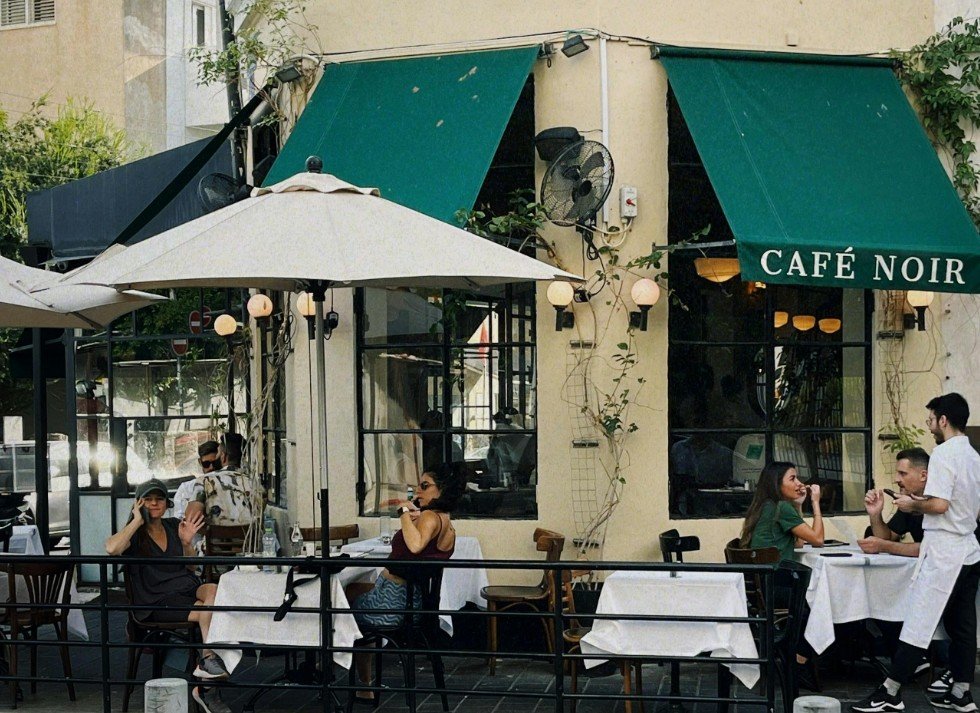
Targets of Far Right Backlash
Far right activists have zeroed in on Tarbutat, viewing it as a symbol of dissent against government policies. Protests outside the cafe have turned tense, with shouts and disruptions aimed at silencing the discussions inside.
In one incident reported in late 2025, a group of demonstrators gathered, chanting slogans and blocking the entrance. Police stepped in to maintain order, but the cafe’s staff reported feeling unsafe. These actions reflect broader tensions in Israel, where anti war voices often face public scorn or worse.
Despite the pressure, the cafe persists. Its events draw crowds eager for alternative viewpoints, including talks on the human cost of the conflict. Organizers stress that the space promotes understanding, not division, but critics label it as anti Israel.
The backlash highlights a divide in Israeli society. Polls from 2025 show a majority support for the government’s stance on Gaza, yet a vocal minority pushes for ceasefires and negotiations.
Broader Protests in Tel Aviv
Tel Aviv has long been a center for progressive activism in Israel. Thousands have rallied in the city throughout 2025, demanding an end to the Gaza war and the release of hostages held by Hamas.
One major protest in August 2025 saw over 100,000 people flood the streets, organized by groups calling for de escalation. Signs read messages like “End the War Now” and “Free the Hostages,” mixing demands for peace with criticism of Prime Minister Benjamin Netanyahu’s handling of the conflict.
These gatherings often face counter protests from right wing supporters, leading to clashes. In July 2025, a rally in Habima Square drew a diverse crowd, including Jewish and Arab activists united in calls for dialogue.
Smaller events, like those at Tarbutat, feed into this larger movement. They provide intellectual fuel for street actions, where ideas discussed over coffee turn into public demands.
Impact on Progressive Voices
The cafe’s role extends beyond talks; it fosters a sense of belonging for Israel’s shrinking left wing camp. Attendees include academics, artists, and everyday citizens weary of endless conflict.
Here are key ways Tarbutat supports this community:
- Hosts weekly events on topics like Palestinian rights and Israeli history.
- Offers a safe space for debates on sensitive issues, such as the ethics of military actions in Gaza.
- Connects people with similar views, building networks for activism.
Yet, the constant threats take a toll. Staff have increased security measures, and some events now require advance registration to manage crowds.
Looking ahead, experts predict more polarization in 2026 if the war drags on. Progressive spaces like Tarbutat could become even more vital, or they might fade under pressure.
Global Echoes and Local Struggles
The situation at Tarbutat mirrors global debates on the Israel Gaza conflict. In the United States, campus activism has evolved, with groups like the Anti Defamation League noting shifts in anti Israel protests on colleges in 2025.
Locally, joint Israeli Palestinian peace efforts continue despite challenges. Organizations like Combatants for Peace organize meetings between young people from both sides, aiming to rebuild trust shattered by two years of war.
This resilience shows in data from recent surveys. A 2025 poll by the Israel Democracy Institute found that while 70 percent of Israelis back strong military responses, support for peace talks has risen slightly among younger demographics.
| Aspect | Details | Impact |
|---|---|---|
| Cafe Opening | December 2023 | Provided immediate outlet for post October 7 discussions |
| Key Events | Lectures on history and peace | Draws 50 to 100 attendees per session |
| Threats Faced | Far right protests | Increased security needs, emotional strain on staff |
| Broader Protests | 100,000+ in Tel Aviv rallies | Amplifies calls for ceasefire and hostage deals |
| Public Sentiment | 70% support for military action | Growing minority favors negotiations |
Future of Dissent in Israel
As 2025 ends, Tarbutat remains a beacon for those challenging the status quo. Its story underscores the fragility of free speech in times of war, where discussing alternatives can invite hostility.
With no end in sight to the Gaza conflict, places like this cafe may inspire more Israelis to seek balanced views. Recent events, such as ceasefire talks in late 2025, offer glimmers of hope, but deep divisions persist.
Share your thoughts on progressive spaces in conflict zones. Have you visited similar spots? Comment below and spread this article to spark more conversations.