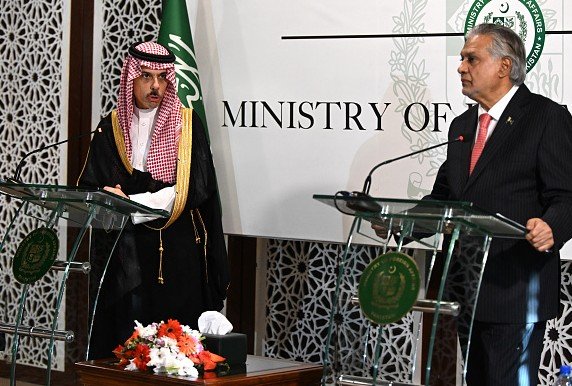
Saudi Arabia’s Interior Minister Prince Abdulaziz bin Saud bin Naif met with Pakistan’s Interior Minister Mohsin Raza Naqvi in Riyadh on Monday to boost security ties. The talks focused on fighting drug smuggling and other shared concerns, marking a key step in ongoing cooperation between the two nations.
This meeting comes amid rising threats from narcotics trafficking in the region, with both countries pledging stronger joint efforts to tackle the issue. Officials from both sides discussed ways to enhance intelligence sharing and border controls to curb illegal drug flows.
Key Highlights from the Riyadh Meeting
The gathering in Riyadh highlighted a commitment to deeper security collaboration. Prince Abdulaziz and Naqvi explored practical steps to combat drug smuggling, a problem that has plagued trade routes in the Arabian Sea and beyond.
Attendees included high-ranking officials like Saudi Acting Deputy Minister of Interior Prince Abdulaziz bin Mohammed bin Ayyaf and Pakistan’s Ambassador to Saudi Arabia Ahmad Farooq. They reviewed current challenges and potential areas for joint training programs.
Discussions also touched on broader issues, such as counter-terrorism and regional stability. This aligns with recent pacts that aim to strengthen defenses against organized crime networks.
One major outcome was an agreement to increase coordination on anti-narcotics operations. Both ministers expressed optimism about future collaborations that could disrupt smuggling rings more effectively.
Rising Threat of Drug Smuggling in the Region
Drug trafficking has surged in recent years, with groups using sea routes to move large quantities of narcotics. Saudi Arabia and Pakistan have faced increased attempts to smuggle substances like methamphetamine and amphetamines across borders.
In 2025 alone, authorities in both countries reported multiple foiled smuggling bids. These incidents underscore the need for unified action to protect communities from the harms of illegal drugs.
Experts note that smugglers often exploit porous borders and advanced concealment methods. This has led to calls for better technology and shared resources to detect and intercept shipments.
The economic impact is significant, with billions lost to black market activities. Joint efforts aim to reduce these losses while improving public safety.
Cooperation extends to training programs where Pakistani forces share expertise with Saudi counterparts. This builds capacity to handle evolving threats from international cartels.
Recent Joint Operations and Successes
Pakistan Navy recently seized over 2,000 kilograms of methamphetamine worth about $130 million in the Arabian Sea. This operation, supported by a Saudi-led task force, shows the power of combined maritime patrols.
Such actions have become more frequent, with several drug hauls intercepted in 2025. These successes disrupt supply chains that fund other criminal activities.
Here are some notable recent seizures:
-
-
- Over 21 kilograms of methamphetamine hidden in vehicles at Saudi border crossings.
- 33,548 amphetamine pills thwarted at Al-Durrah and Rub Al-Khali checkpoints.
- A joint naval operation netting drugs valued at nearly $1 billion in October 2025.
-
These efforts highlight how collaboration saves lives and weakens criminal networks. Ongoing patrols in key waters continue to yield results.
Broader Security Agreements and Implications
The ministers’ talks build on a strategic mutual defense agreement signed in September 2025. This pact covers counter-terrorism, military training, and intelligence sharing between Saudi Arabia and Pakistan.
Pakistan has long provided training to Saudi troops, including roles in past conflicts like the Gulf War. The new framework expands this to include modern threats like cyber attacks and extremism.
A table of key milestones in Saudi-Pakistan security ties:
| Year | Event | Impact |
|---|---|---|
| 2025 | Strategic Mutual Defense Agreement | Enhanced joint military exercises and anti-terror ops |
| 2024 | High-level military visits | Improved coordination on regional stability |
| 2023 | Counter-terrorism pact approval | Boosted intelligence sharing against extremist groups |
| 2021 | Army chief meetings | Focused on Afghanistan security and bilateral training |
This history shows a deepening partnership that benefits both nations. It also helps stabilize the Gulf region amid global uncertainties.
Experts predict more joint initiatives in 2026, including technology transfers for border surveillance. These steps could set a model for other countries facing similar challenges.
Related Regional Security Developments
In a connected event, Kuwait arrested a citizen on Tuesday for planning terror attacks on places of worship. The suspect allegedly tried to recruit minors online and prepare explosives, according to Kuwait’s Interior Ministry.
This arrest reflects wider vigilance in the Gulf against terrorism. It ties into the anti-extremism focus of Saudi-Pakistan talks, as drug profits often fund such activities.
Saudi Arabia has renewed commitments to work with partners on Palestinian aspirations and regional peace. These efforts link security with diplomatic goals for lasting stability.
The Riyadh meeting also aligns with EU statements praising unlimited partnership potential with Saudi Arabia. Such endorsements boost confidence in joint security measures.
Overall, these developments signal a proactive approach to threats that cross borders. Nations in the region continue to adapt strategies based on real-time intelligence.
What do you think about these security partnerships? Share your views in the comments below and spread the word by sharing this article with others interested in global news.