
Archaeologists in Egypt have uncovered 225 shabti figurines in the ancient city of Tanis, shedding light on a pharaoh’s possible tomb theft. This recent find, announced in late November 2025, points to Pharaoh Shoshenq III reusing the burial site of an earlier ruler, Osorkon II, during the 22nd Dynasty around 825 to 773 BC.
Discovery Details in Tanis Necropolis
An Egyptian-French team working at the San el-Hagar site in Sharqiya Governorate made the breakthrough while exploring the royal tombs. They found the small faience figures, each inscribed with Shoshenq III’s name, inside Osorkon II’s tomb chamber.
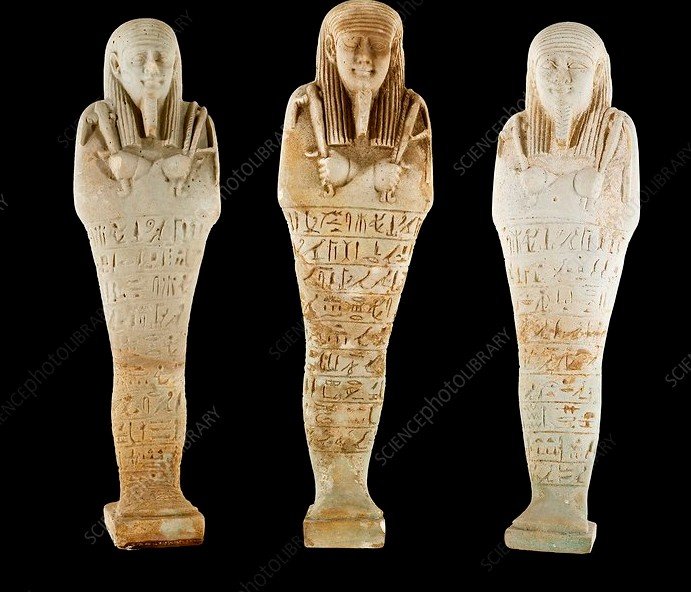
These shabti figurines served as afterlife servants, meant to labor for the dead in the Egyptian belief system. Experts say this is the biggest such find in Tanis since 1946, with the pieces dating back nearly 3,000 years.
The team also spotted new inscriptions on the tomb walls, which they are now translating to learn more about the site’s history.
Evidence of Tomb Reuse and Royal Drama
The location of these figurines raises questions about ancient burial practices. Shoshenq III ruled after Osorkon II, and evidence suggests he may have moved the earlier pharaoh’s body to claim the tomb for himself.
This kind of reuse was common in times of political unrest or resource shortages during Egypt’s Third Intermediate Period. Historians note that tomb raiding and repurposing happened often, as pharaohs sought secure spots for eternal rest.
One key clue is an unmarked sarcophagus in the same chamber, now linked to Shoshenq III based on the figurines. This fits patterns seen in other Egyptian sites, where later rulers altered tombs to suit their needs.
Archaeologists point out that the figurines carry spells from the Book of the Dead, tasking them with duties like farming or building in the afterlife.
Historical Context of Shoshenq III and 22nd Dynasty
Shoshenq III was part of the 22nd Dynasty, a time when Egypt faced internal divisions and foreign influences. He ruled for about 52 years, focusing on military campaigns and temple building.
Tanis served as a major capital then, rivaling Thebes in importance. The city’s ruins have yielded treasures like gold masks and jewelry in past digs.
This discovery connects to broader trends in Egyptian archaeology, where recent finds in Luxor and Saqqara reveal more about dynasty shifts.
Experts compare it to the 2020 find of leather sandals in a Luxor tomb, showing how everyday items offer insights into ancient life.
The 22nd Dynasty saw Libyan-origin rulers like Shoshenq I, famous for biblical ties, but Shoshenq III dealt with civil wars that weakened central power.
What the Figurines Tell Us About Afterlife Beliefs
Shabti figures evolved over centuries, starting as simple wax models and becoming detailed ceramic pieces by the New Kingdom. In the 22nd Dynasty, they often came in large sets, with some tombs holding over 400.
This group of 225 is notable for its quality and inscriptions, each bearing tools like hoes or baskets for symbolic work.
Key features of these shabti figurines include:
- Material: Blue-green faience, a glazed pottery common in ancient Egypt.
- Size: Typically 10 to 20 centimeters tall.
- Inscriptions: Spells invoking the shabti to serve if the pharaoh is called to labor.
- Purpose: To spare the deceased from manual tasks in the realm of Osiris.
Archaeologists believe studying them could reveal workshop techniques from that era.
Impact on Modern Archaeology and Tourism
This find boosts Egypt’s efforts to attract visitors to lesser-known sites like Tanis, which sees fewer tourists than Giza or Luxor. The Ministry of Tourism and Antiquities plans to display some figurines in museums soon.
It also highlights ongoing collaborations between Egyptian and international teams, leading to tech like 3D scanning for better preservation.
Recent events, such as the 2025 opening of new Luxor exhibits, show growing interest in Egypt’s past. This discovery adds to that momentum, potentially increasing digs in the Delta region.
Experts warn that climate change and urban growth threaten sites like Tanis, making timely excavations crucial.
Timeline of Key Egyptian Discoveries in 2025
To put this in perspective, here is a table of major archaeological finds in Egypt this year:
| Date | Location | Discovery | Significance |
|---|---|---|---|
| January | Saqqara | Cache of mummies | Revealed New Kingdom burial practices |
| June | Luxor | Temple reliefs | Showed trade with ancient Punt |
| September | Abydos | Boat graves | Linked to early dynastic rituals |
| November | Tanis | 225 shabti figurines | Evidence of tomb reuse by Shoshenq III |
These events underscore a banner year for Egyptian archaeology.
Share your thoughts on this ancient mystery in the comments below, and pass this story along to fellow history buffs. What other Egyptian secrets do you hope get uncovered next?
