Egypt and the Netherlands have renewed their water management agreement to tackle coastal erosion along the Mediterranean Sea. This move, announced on October 29, 2025, focuses on beach nourishment techniques to protect Egypt’s vulnerable shores from climate change effects.
Long History of Water Cooperation
Egypt and the Netherlands share a partnership that started in 1975 with a joint advisory council on water issues. Over five decades, they have worked together on projects that improve water use and fight environmental threats.
This renewal builds on that foundation. Leaders from both nations met in Cairo to celebrate past successes and plan for the future. The talks happened during the recent Cairo Water Week, where experts shared ideas on sustainable water practices.
The agreement renews the Memorandum of Understanding for the Egypt-Netherlands High-Level Water Committee. It aims to boost efforts in managing water resources and adapting to climate shifts. Both countries face water challenges, but the Netherlands brings expertise from its own battles with sea levels.
Focus on Beach Nourishment Projects
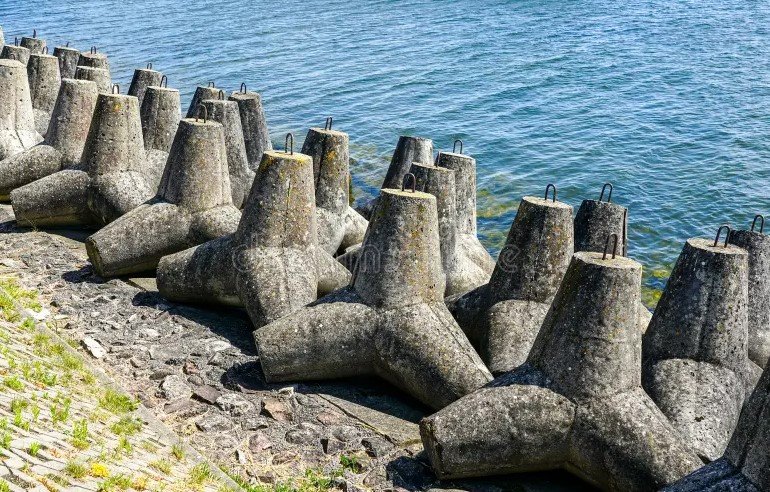
A key part of the deal involves exploring beach nourishment to shield Egypt’s Mediterranean coast. This method adds sand to beaches to prevent erosion caused by rising seas and stronger storms.
Officials plan a feasibility study to find the best spots for these projects. They will look at sand sources in the Nile Delta area through surveys. This could help protect cities and farms along the coast from flooding.
Egypt’s coast faces serious risks from climate change. Sea levels have risen about 20 centimeters in the last century, according to global reports. Without action, experts predict more land loss and damage to infrastructure.
The study will use eco-friendly methods to avoid harming marine life. Dutch firms, known for their advanced coastal engineering, will help with the planning.
Here are some potential benefits of beach nourishment:
- Reduces erosion by building up natural barriers.
- Protects homes, roads, and tourist spots from waves.
- Supports local wildlife and fishing industries.
- Boosts tourism by keeping beaches wide and safe.
Broader Impacts on Climate Adaptation
The partnership extends beyond coasts to include modern irrigation in rural areas. A project in Upper Egypt, funded by the Dutch government, helps small farmers use water more efficiently.
This initiative targets places like Assiut, Sohag, and Qena. It introduces better irrigation systems to save water and increase crop yields. Farmers have reported higher incomes and less water waste since the program started.
Climate change hits Egypt hard with hotter temperatures and less rainfall. The Nile River, vital for 95 percent of the country’s water, faces threats from upstream dams and pollution.
The deal also plans a second phase of joint research on water topics. This could lead to new technologies for desalination and flood control.
| Key Projects in Egypt-Netherlands Partnership | Description | Expected Outcome |
|---|---|---|
| Beach Nourishment Feasibility Study | Survey sand sources and identify erosion hotspots | Stronger coastal defenses by 2027 |
| Irrigation Modernization in Upper Egypt | Upgrade systems for small farmers with FAO support | Improved livelihoods for 10,000+ families |
| Water-JCAR Research Program | Joint studies on water management | New innovations in climate adaptation |
Challenges and Future Steps
Not everything is smooth. Projects like this need big investments, and funding details remain unclear. Egypt’s economy struggles with inflation and debt, making international help crucial.
Experts warn that without quick action, Egypt could lose up to 15 percent of its fertile Delta land by 2050. This would affect food security for millions.
Both sides agree to speed up timelines. They want to turn studies into real projects soon. This fits with global goals like the Paris Agreement on climate.
Global Context and Lessons Learned
Similar efforts happen worldwide. Israel has built desalination plants to fight water shortages, turning surplus into a resource. The Netherlands has created artificial land to battle sea rise.
Egypt learns from these examples. Planting mangrove trees along coasts, as done in the Red Sea area, already helps reduce erosion and produce honey.
These steps show how nations team up against shared threats. Cooperation like this could inspire other countries in dry regions.
What do you think about these water deals? Share your views in the comments and spread the word to raise awareness about climate action.