
Cairo is stepping up efforts to broker a ceasefire in Gaza, pulling Hamas and Israeli factions toward a potential deal as of September 2025. Egyptian mediators, alongside Qatar and the US, are pressing for an agreement that could end months of conflict, release hostages, and halt military actions, amid resistance from Hamas commander Izz al-Din al-Haddad and Israeli Prime Minister Benjamin Netanyahu.
Egypt’s Bold Mediation Role
Egypt has taken a firm stand in recent talks, hosting Hamas leaders in Cairo to push for a comprehensive ceasefire. Officials say Cairo delivered a clear message that delays would no longer be accepted, urging all sides to commit to a deal that includes a full Israeli withdrawal and hostage releases.
This move comes after failed negotiations in Doha, where disputes over timelines and military presence stalled progress. Egyptian intelligence chief Maj. Gen. Hassan Rashad met with representatives from multiple Palestinian groups, including Hamas allies like the Popular Front for the Liberation of Palestine and Palestinian Islamic Jihad. Their vote in favor of the mediators’ framework marked a shift, aiming to protect Gaza from further escalation.
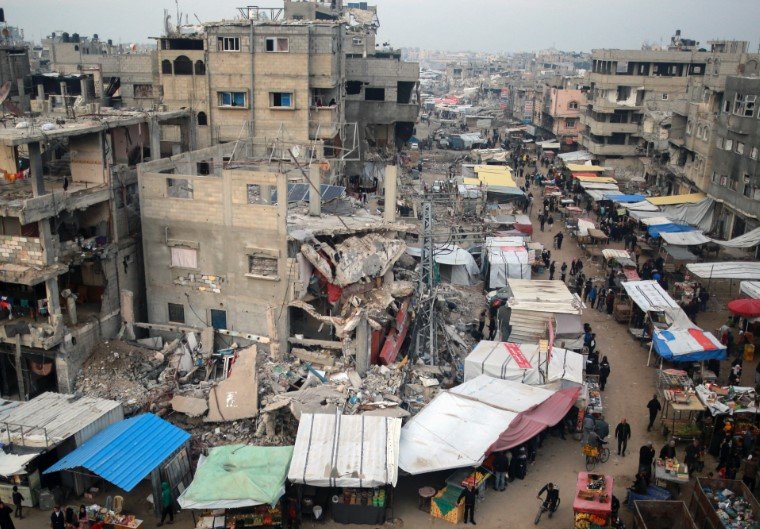
Recent reports indicate Egypt is working to undercut the ongoing tug-of-war between Netanyahu and hardline Hamas figures. By rallying support from seven Palestinian factions, Cairo has created momentum for a partial deal that could lead to a longer truce.
Hamas Internal Dynamics and Haddad’s Influence
Inside Hamas, divisions are clear as political leaders abroad lean toward compromise, while military commanders in Gaza resist. Izz al-Din al-Haddad, commander of the northern Gaza brigade and rumored successor to Mohammed Sinwar, has warned against any agreement without firm dates for ending Israel’s presence.
Haddad’s stance has complicated talks, with him insisting on a roadmap that ensures no ongoing military occupation. Despite this, Hamas’ political bureau has shown flexibility, approving proposals that align with mediators’ terms for a phased ceasefire.
This internal push and pull reflects broader challenges within the group. Political figures like Khalil al-Hayyeh, appointed after Yahya Sinwar’s assassination, are under pressure to secure a deal that brings relief to Gaza’s civilians.
Analysts note that Haddad’s resistance stems from on-the-ground realities, where fighters prioritize control over key areas. Yet, the Cairo meetings have outweighed his influence, with factions voting to advance the deal.
Netanyahu’s Position and Israeli Reactions
Israeli Prime Minister Benjamin Netanyahu has called recent Hamas proposals delusional but indicated room for negotiation if core goals are met. He views any ceasefire as temporary, focusing on achieving war objectives like dismantling Hamas’ military capabilities.
Netanyahu’s office stated that attacks on Gaza could pause for a real agreement, though no such deal exists yet. This follows his meetings with defense and finance ministers, where hardliners like Bezalel Smotrich labeled the proposed deal dangerous for Israel’s security.
Public sentiment in Israel is mixed, with hundreds protesting in Tel Aviv for full execution of any hostage release plan. President Isaac Herzog described a potential truce as a necessary step to bring captives home.
| Key Israeli Figures | Stance on Ceasefire |
|---|---|
| Benjamin Netanyahu | Sees it as temporary; prioritizes war goals |
| Bezalel Smotrich | Calls deal bad and dangerous |
| Israel Katz | Supports talks but emphasizes security |
| Isaac Herzog | Views truce as essential for hostages |
Recent Breakthroughs and Sticking Points
Negotiations have seen ups and downs throughout 2025, with a breakthrough in August when Hamas accepted a Qatari-Egyptian proposal. However, Israel has not fully committed, leading to intensified mediation.
Talks stalled in July over aid distribution and permanent cessation terms, but January efforts in Doha brought parties closer than ever. Mediators report that a deal is within reach, focusing on final details like demilitarization and exile for some Hamas members.
Sticking points include:
- Clear timelines for Israeli troop withdrawal.
- Guarantees for unhindered aid to Gaza.
- Mechanisms for prisoner and hostage exchanges.
- Assurances against renewed hostilities.
These elements form the core of the proposed framework, with Egypt pushing to resolve them swiftly.
Despite progress, experts warn that Netanyahu’s indecision and Haddad’s warnings could prolong the conflict. A shift toward pressing for a permanent deal alongside plans for new offensives in Gaza City suggests fighting may continue into late 2025.
Potential Outcomes and Global Implications
A successful ceasefire could reshape the region, allowing reconstruction in Gaza and easing humanitarian crises. It might also open doors for broader peace talks, involving international oversight.
If talks fail, escalation risks remain high, with potential for wider involvement from groups like Hezbollah. The US has urged both sides to seize the moment, emphasizing the human cost of ongoing war.
Global leaders watch closely, as a truce could stabilize oil prices and reduce refugee flows. For Palestinians and Israelis, it offers hope for normalcy after years of tension.
What do you think about these developments? Share your thoughts in the comments below and spread the word by sharing this article with others interested in Middle East peace efforts.
